Automata Toy
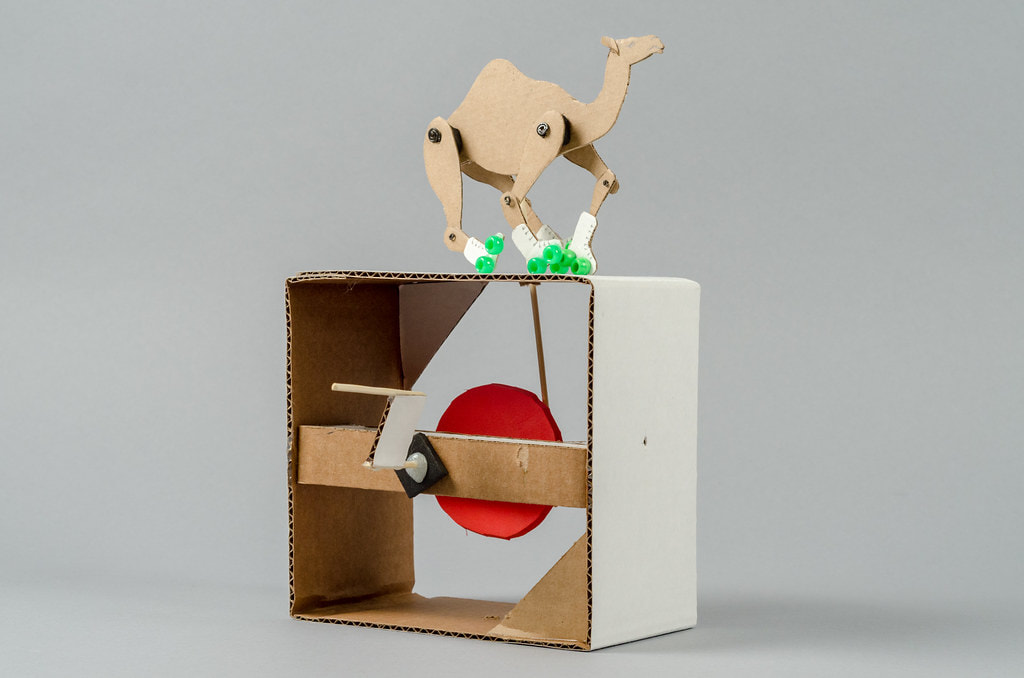
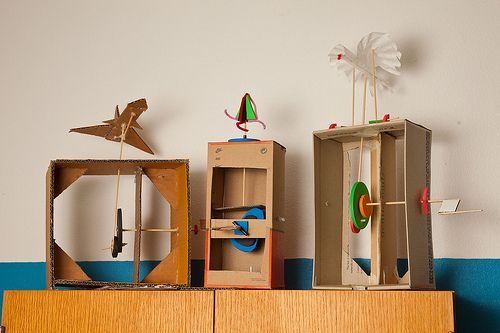
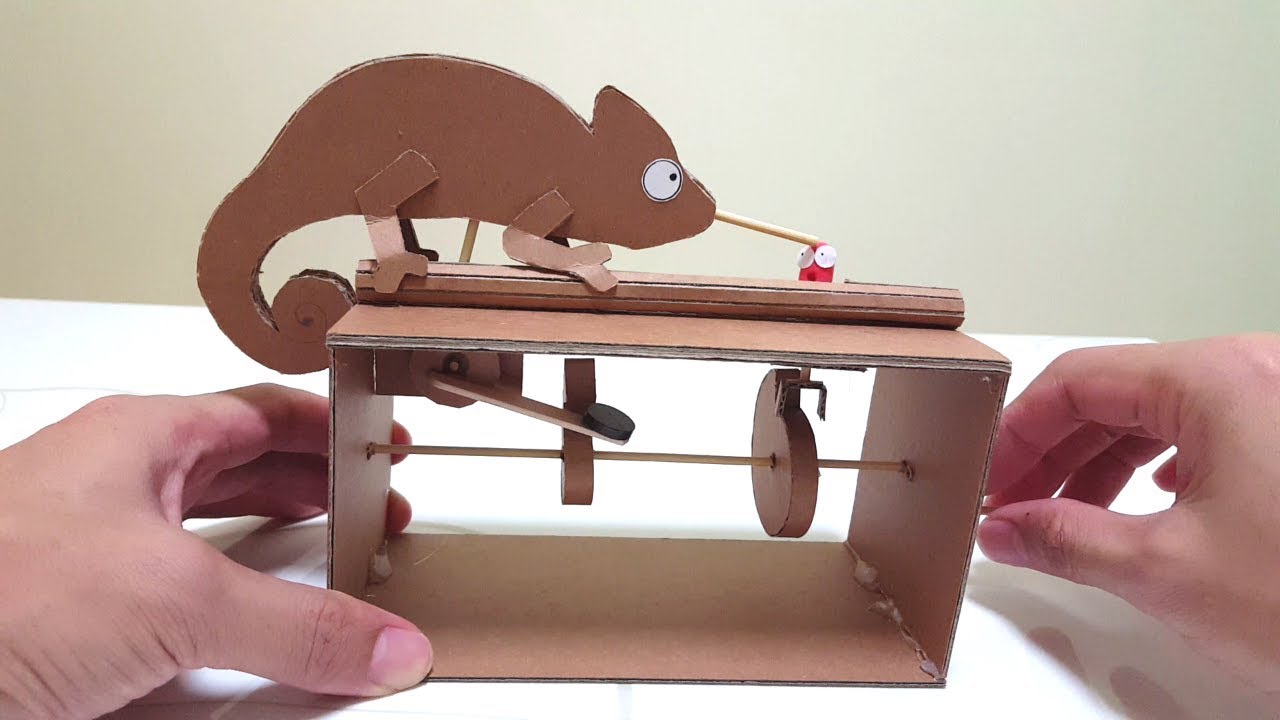
The objective is to design and create an automata toy that will move when it is cranked.
Instructions:
1. PLAN! (200 points) - Sketch your ideas! Come up with 4 possible ideas and label what you could make/invent.
2. Research- (200 points)- Provide 4 websites/video links that help you with your idea. Provide an exact link, not www.google.com (these websites should show you how to complete your project)
3. EXPLAIN!- (200 points) Write 200 words or more on why you are making what you are making. What gave you the idea? How are you going to go construct this project? Explain what is making your Automata move (i.e. gears, pulleys, cams, etc)
4. CREATE!- (800 points)- Make your project and take at least 3 photos of your creation and submit to Google Classroom.
1. PLAN! (200 points) - Sketch your ideas! Come up with 4 possible ideas and label what you could make/invent.
2. Research- (200 points)- Provide 4 websites/video links that help you with your idea. Provide an exact link, not www.google.com (these websites should show you how to complete your project)
3. EXPLAIN!- (200 points) Write 200 words or more on why you are making what you are making. What gave you the idea? How are you going to go construct this project? Explain what is making your Automata move (i.e. gears, pulleys, cams, etc)
4. CREATE!- (800 points)- Make your project and take at least 3 photos of your creation and submit to Google Classroom.
You can make your automata toy out of cardboard.